How Weather Exposure Affects Masonry Wall Integrity
To address how weather exposure affects masonry wall integrity, local contractors can assess damage, repair cracks, and reinforce walls to prevent further deterioration.
Understanding how weather exposure affects masonry wall integrity is essential for property owners looking to preserve the strength and appearance of their structures. In areas with varying weather conditions, factors like rain, freeze-thaw cycles, and temperature fluctuations can gradually weaken masonry materials, leading to cracks, spalling, or even structural instability. Recognizing these impacts early can help property owners take proactive steps to maintain their walls, preventing costly repairs down the line. Local contractors experienced in masonry repair can assess weather-related damage and recommend appropriate solutions to keep walls resilient against the elements.
For property owners in the area, exploring how weather exposure influences masonry walls is a practical way to safeguard investments and ensure safety. Over time, weather-related wear and tear can compromise the integrity of brick, stone, or concrete surfaces, making timely repairs crucial. Local service providers specializing in masonry wall repair are equipped to address weather-induced issues, restoring strength and durability. Continuing to learn about these effects can empower property owners to make informed decisions and work with trusted professionals to keep masonry structures in top condition.
- Brick Wall Restoration - homeowners noticing cracks or deterioration due to freeze-thaw cycles can rely on local contractors to assess and repair damage caused by weather exposure.
- Stone Masonry Repair - when moisture infiltration leads to weakening or spalling of stone walls, local pros can provide targeted repairs to restore structural integrity.
- Mortar Joint Repointing - weather-related erosion of mortar joints often requires professional repointing to prevent further water intrusion and damage.
- Efflorescence Removal and Prevention - salt deposits caused by moisture exposure can be addressed by local specialists to improve masonry durability and appearance.
- Waterproofing and Sealant Application - local service providers can apply protective coatings to masonry walls to reduce weather-related deterioration and extend lifespan.
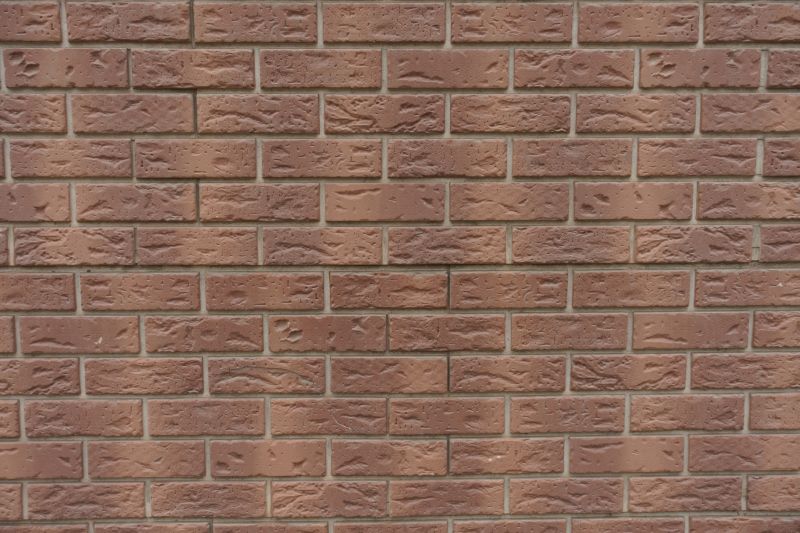
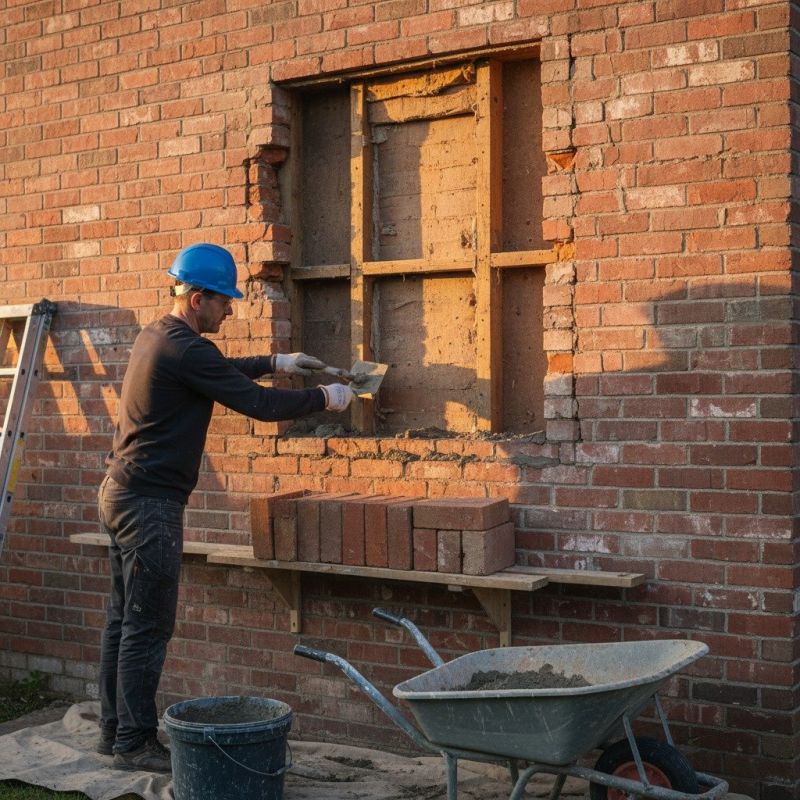
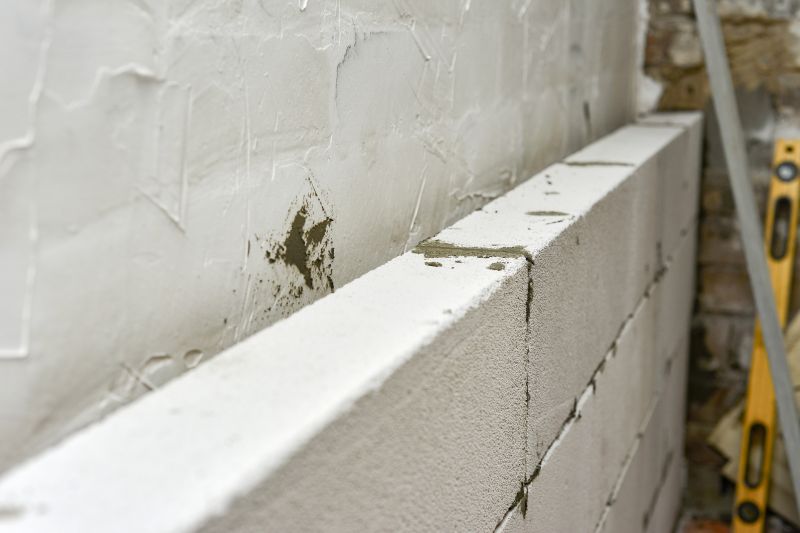
When searching for information about how weather exposure affects masonry wall integrity, homeowners are often concerned about the durability and safety of their property’s exterior structures. Masonry walls, which include brick, stone, and concrete blocks, are common features in residential and commercial buildings. People typically want to understand how various weather conditions-such as rain, snow, freeze-thaw cycles, and humidity-can weaken these materials over time. This knowledge helps homeowners anticipate potential issues and decide when repairs or protective measures might be necessary to maintain the stability of their walls.
The topic is closely related to common problems like cracking, spalling, efflorescence, and mortar deterioration. These issues often develop because of prolonged or repeated weather exposure, leading to compromised wall strength and aesthetic damage. Homeowners planning renovations or repairs may seek guidance on how weather factors contribute to these problems, aiming to prevent further deterioration. Additionally, those installing new masonry features or upgrading existing walls might want to understand how to protect their investment from weather-related damage, ensuring long-term performance and safety.
Properties that typically come up in discussions about weather exposure and masonry integrity include residential homes, especially older houses with brick or stone facades, as well as commercial buildings with masonry exteriors. Fences, retaining walls, chimneys, and decorative masonry features are also common concerns. These structures are often more vulnerable to weather effects because of their exposure levels or construction materials. Homeowners with outdoor masonry elements may notice signs of damage sooner, prompting them to seek advice from local contractors who specialize in masonry repair and preservation.
Understanding how weather exposure affects masonry wall integrity is essential for maintaining the safety and appearance of a property. Local masonry wall repair service providers can assess the specific weather-related risks facing a property and recommend appropriate solutions. Whether it involves repointing mortar joints, sealing surfaces, or replacing damaged bricks, these professionals help ensure that masonry structures remain sound despite ongoing weather challenges. Connecting with experienced local contractors can provide peace of mind that masonry walls are properly protected and restored, preserving the property’s value and safety over time.
Historical Building Restoration - Professionals experienced in restoring historic masonry structures understand the impacts of weather exposure on wall integrity and can recommend appropriate repair strategies.
Brick and Stone Repair - Local contractors specializing in brick and stone work can address weather-related damage such as cracking and spalling caused by moisture and temperature fluctuations.
Waterproofing and Sealant Application - Service providers skilled in waterproofing techniques help protect masonry walls from water infiltration that accelerates weather-related deterioration.
Masonry Surface Cleaning - Experts in cleaning masonry surfaces remove damaging buildup and prepare walls for repairs that counteract weather exposure effects.
Structural Reinforcement Services - Contractors capable of reinforcing weakened masonry walls address issues stemming from weather-induced stress and movement.
Drainage System Installation - Local pros installing proper drainage solutions help reduce water exposure to masonry walls, preserving their integrity over time.
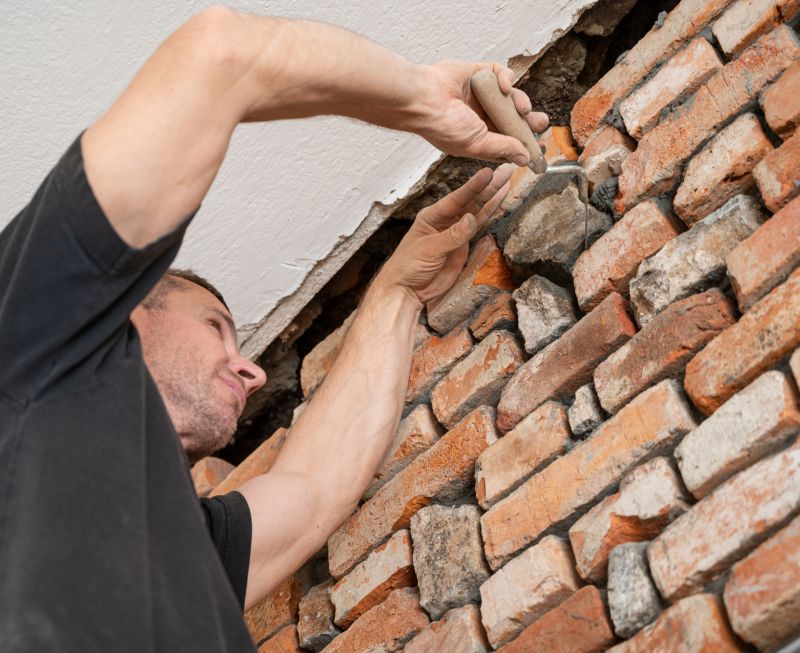
When evaluating masonry wall repair services, it is important to consider the experience of local contractors with projects similar to yours. Masonry work exposed to weather elements such as rain, snow, and temperature fluctuations can lead to specific challenges, so choosing service providers with a proven track record in handling weather-related masonry issues can help ensure the integrity of the repair. Asking about past projects that involved weather exposure and how those situations were managed provides insight into a contractor’s familiarity with the unique demands of your environment.
Clear written expectations are essential when comparing local pros for masonry repairs related to weather exposure. A reputable contractor should be able to provide detailed descriptions of the scope of work, materials to be used, and the methods they plan to employ to address weather-related damage. This transparency helps prevent misunderstandings and ensures that both parties are aligned on the repair process. Requesting documentation or estimates that outline these details can be a useful step in assessing whether a service provider’s approach aligns with the needs of your masonry walls.
Reputable references and effective communication are key factors when selecting a local contractor for masonry repairs. Speaking with previous clients who have experienced weather exposure issues can offer valuable perspectives on the contractor’s reliability and quality of work. Additionally, a service provider who communicates clearly and promptly about project details, timelines, and potential challenges demonstrates professionalism and a commitment to customer understanding. These qualities can make a significant difference in achieving a durable repair that withstands ongoing weather conditions.
Property owners often search for how weather exposure affects masonry wall integrity when they are planning practical projects around their homes and businesses. Local pros provide Masonry Wall Repair services for everyday jobs and straightforward project options.
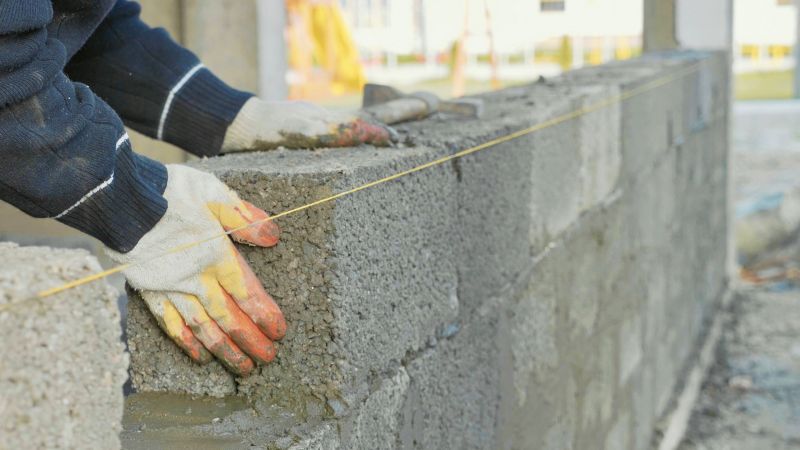
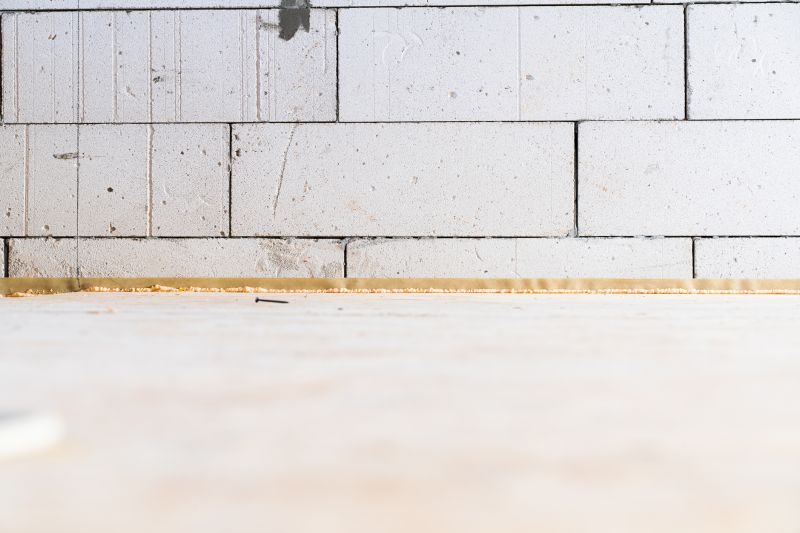
Weather exposure can significantly impact the integrity of masonry walls, especially in areas where temperature fluctuations, rain, and moisture are common. Over time, repeated cycles of freezing and thawing can cause cracks and weaken the mortar joints, while excess moisture can lead to deterioration of the bricks or stones. Property owners noticing signs of crumbling mortar or shifting bricks often seek the expertise of local contractors who specialize in masonry wall repair to address these issues before they worsen.
Understanding how weather exposure affects masonry wall integrity highlights the importance of regular inspections and timely repairs. Local service providers can evaluate the extent of weather-related damage and recommend appropriate solutions to restore stability and appearance. Whether dealing with minor cracks or more extensive deterioration, property owners are encouraged to connect with experienced masonry repair professionals who can help maintain the durability of their walls against future weather challenges.
How does weather exposure impact masonry wall integrity? Weather exposure can cause masonry walls to develop cracks, spalling, and deterioration over time, which may compromise their stability. Local contractors experienced in masonry repair can assess and address these issues to maintain wall strength.
What types of weather conditions are most damaging to masonry walls? Heavy rain, freezing temperatures, and moisture fluctuations are particularly harmful, leading to water infiltration and freeze-thaw cycles that weaken the masonry. Service providers can help protect and repair walls affected by these conditions.
Can weather exposure lead to long-term damage in masonry walls? Yes, continuous exposure to weather elements can cause long-term damage like mortar deterioration and brick erosion. Local masonry repair specialists can perform restorations to prevent further deterioration.
How can local contractors help prevent weather-related damage to masonry walls? They can apply protective sealants, perform necessary repairs, and recommend maintenance strategies to reduce weather-related wear and extend the life of masonry walls.
What signs indicate weather exposure has compromised masonry wall integrity? Signs include cracking, efflorescence, loose or crumbling mortar, and water stains. Local pros can evaluate these signs and provide appropriate repair solutions.
Assessing weather-related damage - property owners can evaluate signs of weather exposure, such as cracking or spalling, to determine when masonry repairs are needed with help from local contractors.
Choosing appropriate protective materials - selecting sealants or waterproofing solutions can help prevent further weather damage, and local pros can recommend suitable products for specific environments.
Planning for seasonal repairs - scheduling maintenance before harsh weather seasons can protect masonry walls from weather-related deterioration, with guidance from experienced service providers.
Implementing drainage solutions - improving drainage around masonry structures can reduce water infiltration risks, and local contractors can assist with installing effective drainage systems.
If you are thinking about how weather exposure affects masonry wall integrity for a property, this guide is meant to help you understand this topic, the typical project types, and how different options might fit your plans.
When you are ready, you can use the quote form on this page to share a few details about your project. From there, local pros can review the basics and follow up with options that match what you have in mind.